The use of chlorine to render drinking water “germ free” was first proposed in a paper written in 1894. The first reported permanent use chlorination of a water supply commenced in 1905 in the UK. The United States followed in 1908 by chlorinating the water supply for Jersey City, New Jersey. This concept then spread quickly around the world.
Still today chlorine is considered the gold standard for disinfection of water. Whilst it may be effective in some circumstances, it also has many drawbacks which are overlooked or completely ignored. Let’s look at some of the undesirable effects of chlorine, so as we can then understand why is not a suitable candidate for disinfecting water distribution systems in buildings.
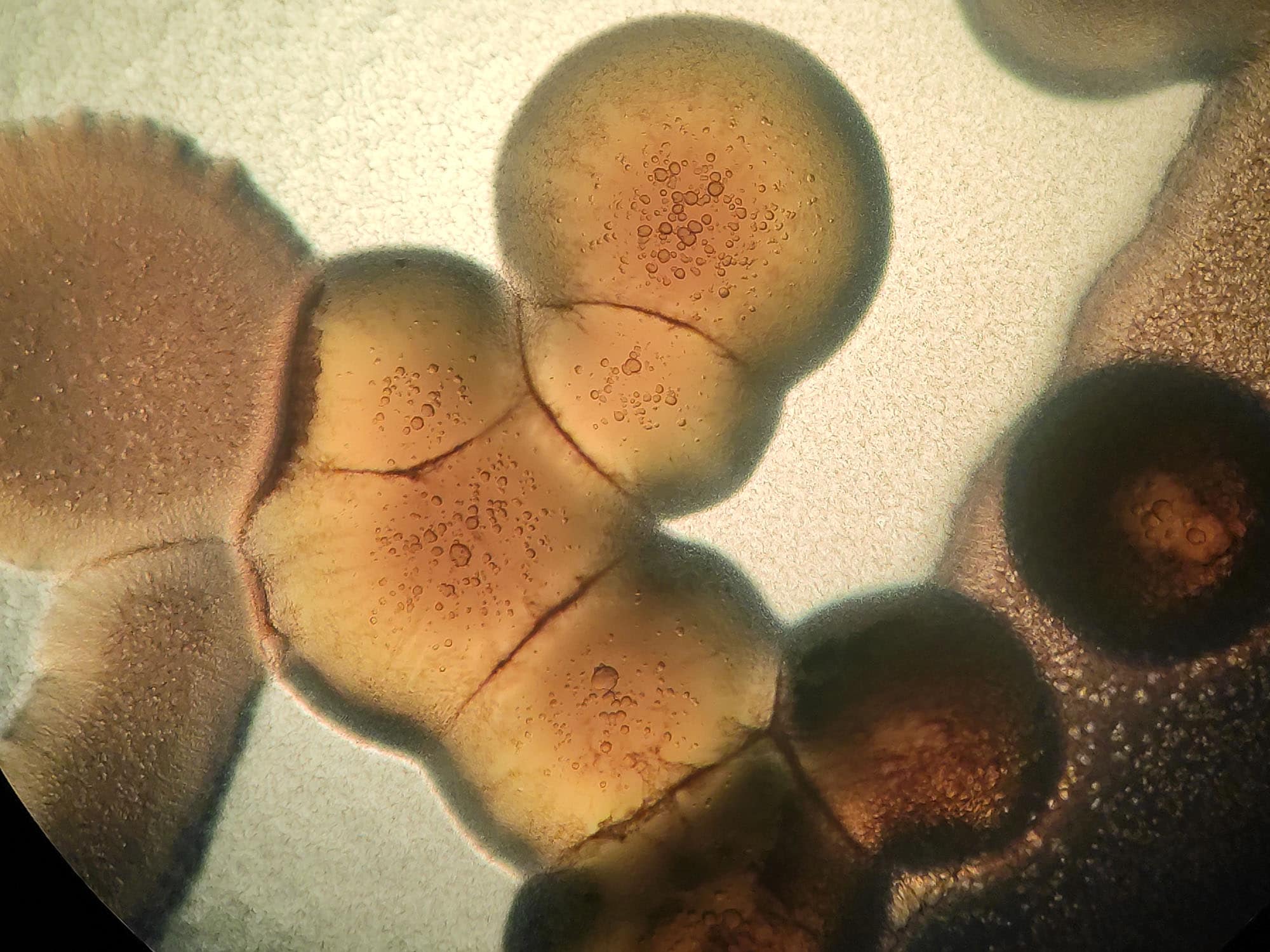
It has only been of very recent times, that researchers have discovered a form of hibernation or suspended animation that micro-organisms go into. It is known as VBNC.
Which stands for Viable But Not Culturable.
When organisms are in this state, they cannot be cultured on a plate or petrie dish in the laboratory. This means that they do not show up when the water is tested. The concern is that whilst they are not apparent, they are still viable. Meaning that they are not dead. When conditions are suitable; in this case when the chlorine is no longer present, or only in small quantities, the organism comes back to life and begins to replicate!
Chlorine creates a number of by products that are harmful to health and or the environment. Chlorine reacts with natural organic matter (like decaying leaves, algae) in water to form byproducts which include but are not limited to; Trihalomethanes (THMs — chloroform) and Haloacetic acids (HAAs).
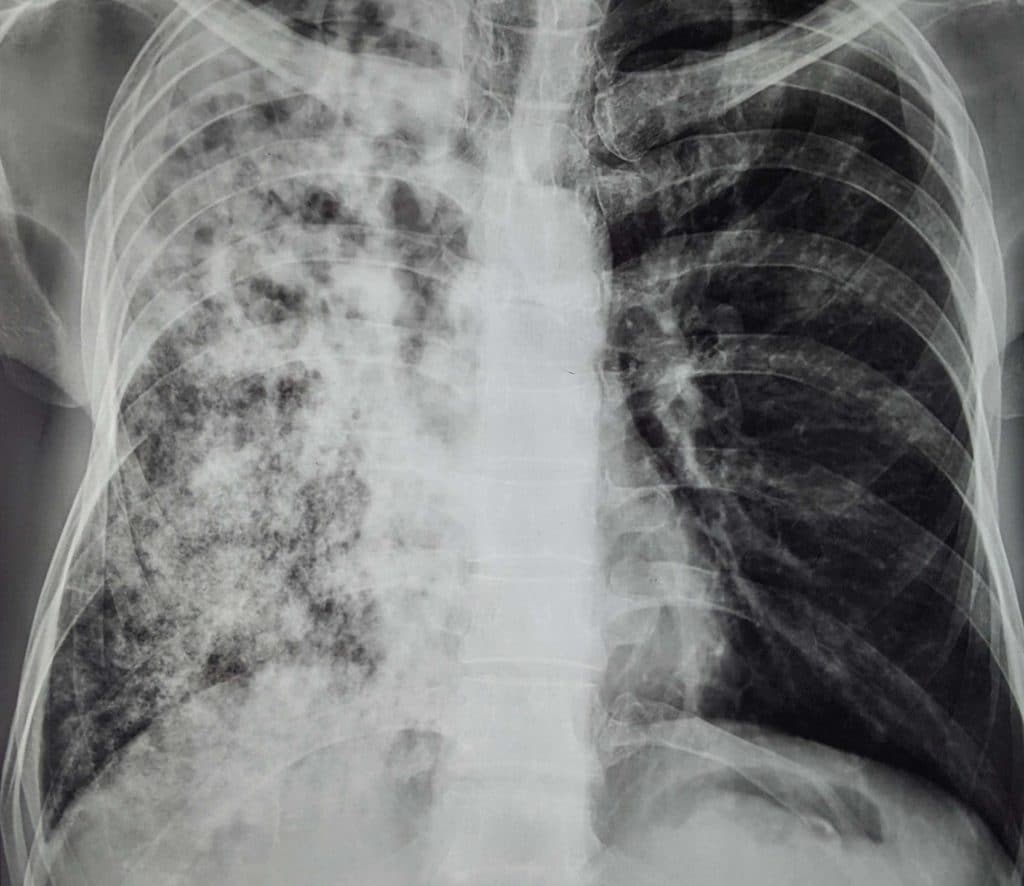
Some of these compounds are classified as probable human carcinogens, and long-term exposure through drinking water has been linked in epidemiological studies to increased risks of bladder cancer and possibly other health effects.
There is also mounting research that is raising questions about links to birth defects and/or reproductive issues in humans.
Science knows that chlorine stability is dramatically reduced as temperature increases. Quite simply what this means is that chlorine is not suitable for warm water systems.
Around 42°C – the typical operating temperature for warm water systems – happens to be close to the ideal incubation temperature for microorganisms. Unfortunately, the effectiveness of chlorine reduces rapidly at this temperature.
This is often counteracted by increasing the amount of chlorine being added, which then increases the corrosion rate.
Chlorine is highly corrosive to metal and plastics. Chlorine is known as an oxidising biocide. It gives away oxygen atoms which then bond to anything available.
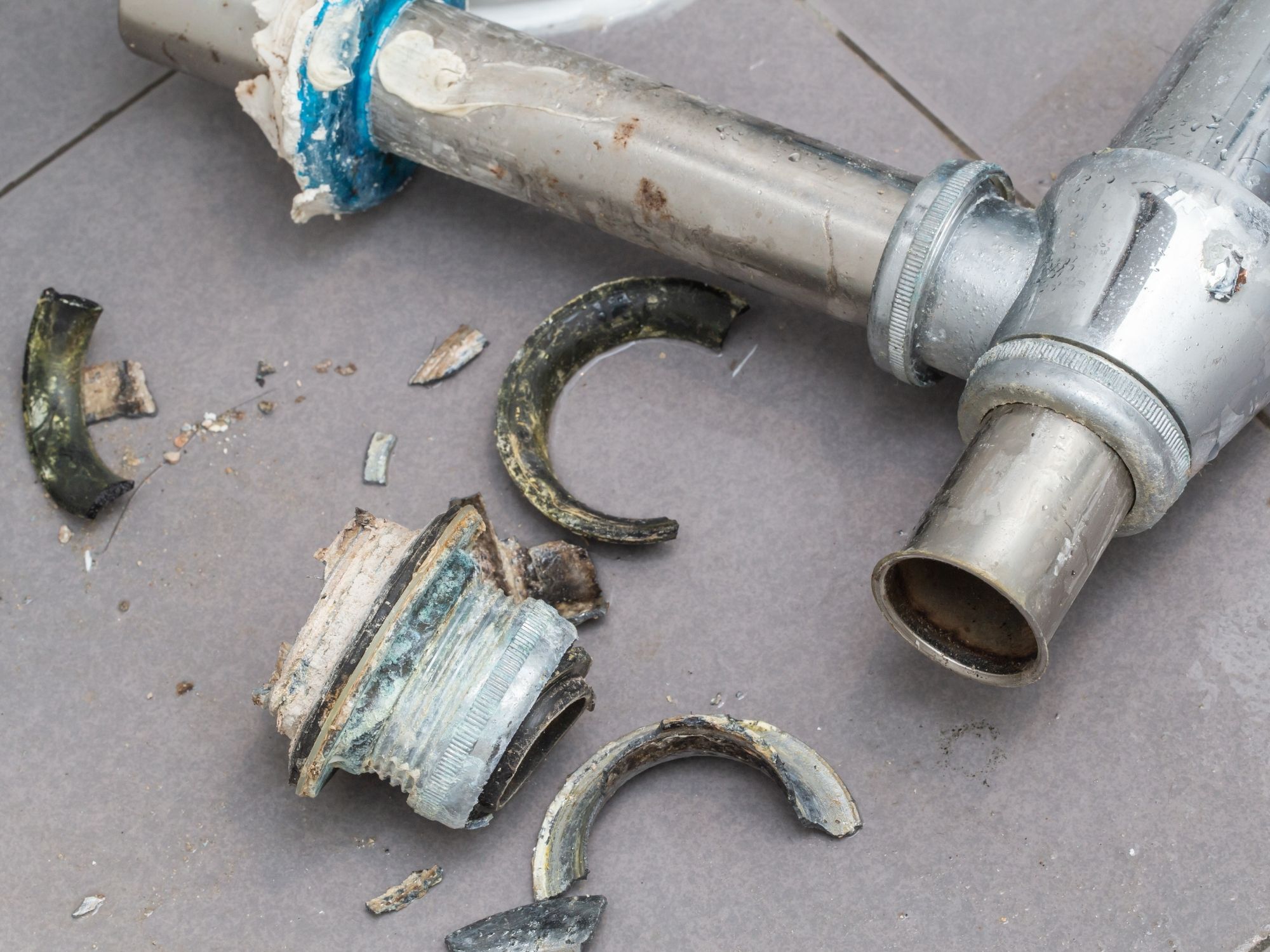
In a water distribution system, the metal components (unless it is all stainless steel) and rubber and plastic parts in valves and seals are attacked mercilessly by chlorine.
Copper pipe can be degraded to the point where it springs leaks in a couple of years or less.
Plastic valve spindles with a designed lifespan of 5 years can fail in as little as 3-4 months due to chlorine attack.
Many valve manufacturers state that warranty is void if chlorine levels in the water exceed a certain amount.

Compared to other technologies, chlorine dosing is relatively cheap to install. However the running costs are very high.
Automated dosing units need to be checked and recalibrated weekly. The storage tanks also need constant refilling. A cost analysis showed that the ownership and maintenance of chlorine dosing and copper silver ionisation was cost neutral over a 5 year deployment.
What was NOT taken into account was that over the 5 years, the chemical dosing caused approximately $250,000 worth of damage to the water distribution system and the facility infrastructure.
So from this it is obvious that copper silver ionisation is the clear winner over chlorine dosing!
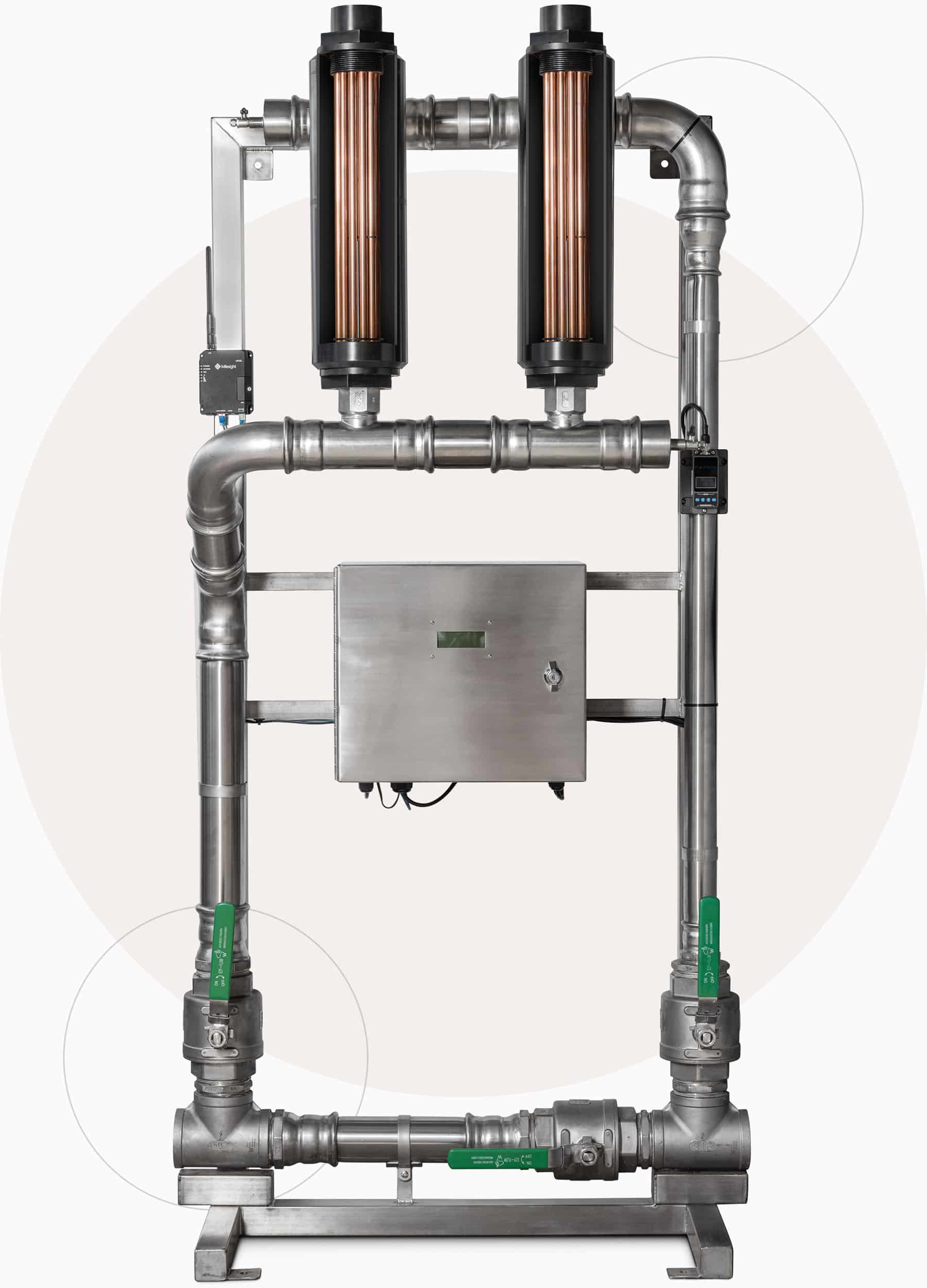
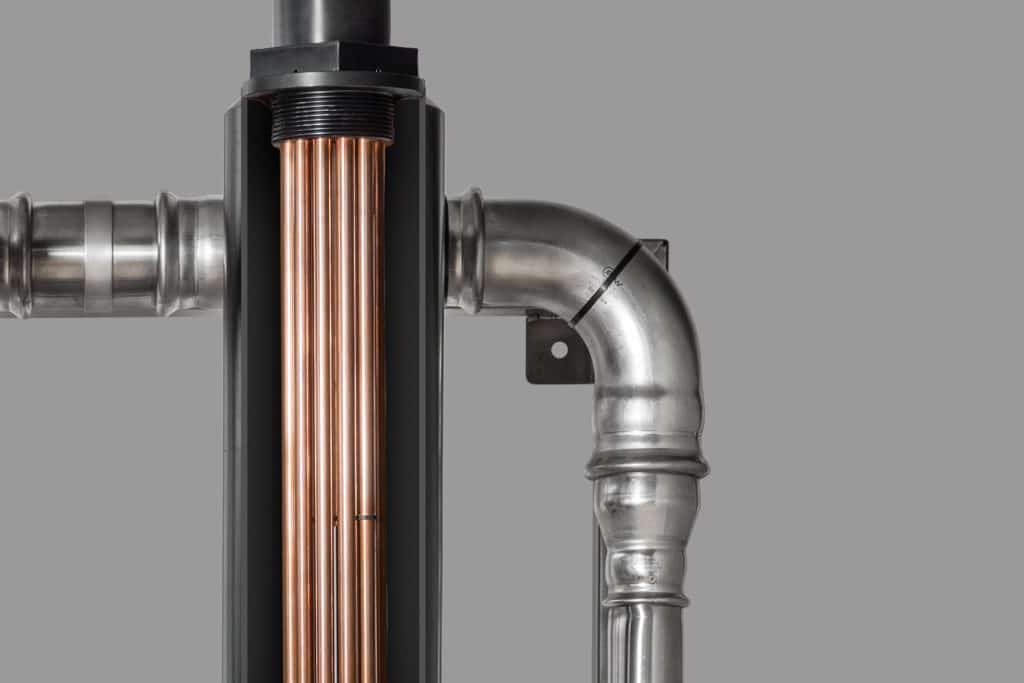
Bion Systems AccuionTM technology is the clear worldwide leader in administering copper-silver ions into potable water.
No other system has the ability to proportionally dose copper and silver into varying flow rates, whilst at the same time self-compensating for water chemistry and anode wear.
If you would like to learn more about the benefits of Copper Silver Ionisation at your facility, and discuss what is entailed to make the switch away from chlorine dosing as your disinfection method, contact our team.