Legionnaires Symptoms

Legionnaires disease has an incubation period of 2 to 10 days (but up to 16 days has been recorded in some outbreaks).

Early diagnosis greatly increases the chances of a successful recovery. Due to the complexities in detecting the bacteria (it is not a simple test), it also has to be assumed that there is a certain number of undetected cases. In addition, many cases of Legionellosis may simply not be tested for the Legionella bacterium, due to the symptom’s resemblance of pneumonia.

Early symptoms of Legionnaires disease are similar to ‘flu’ symptoms and include headache, fever, chills, muscle aches & pains, a dry cough & shortness of breath.

Common 
Legionnaires Symptoms include:

Cough75%
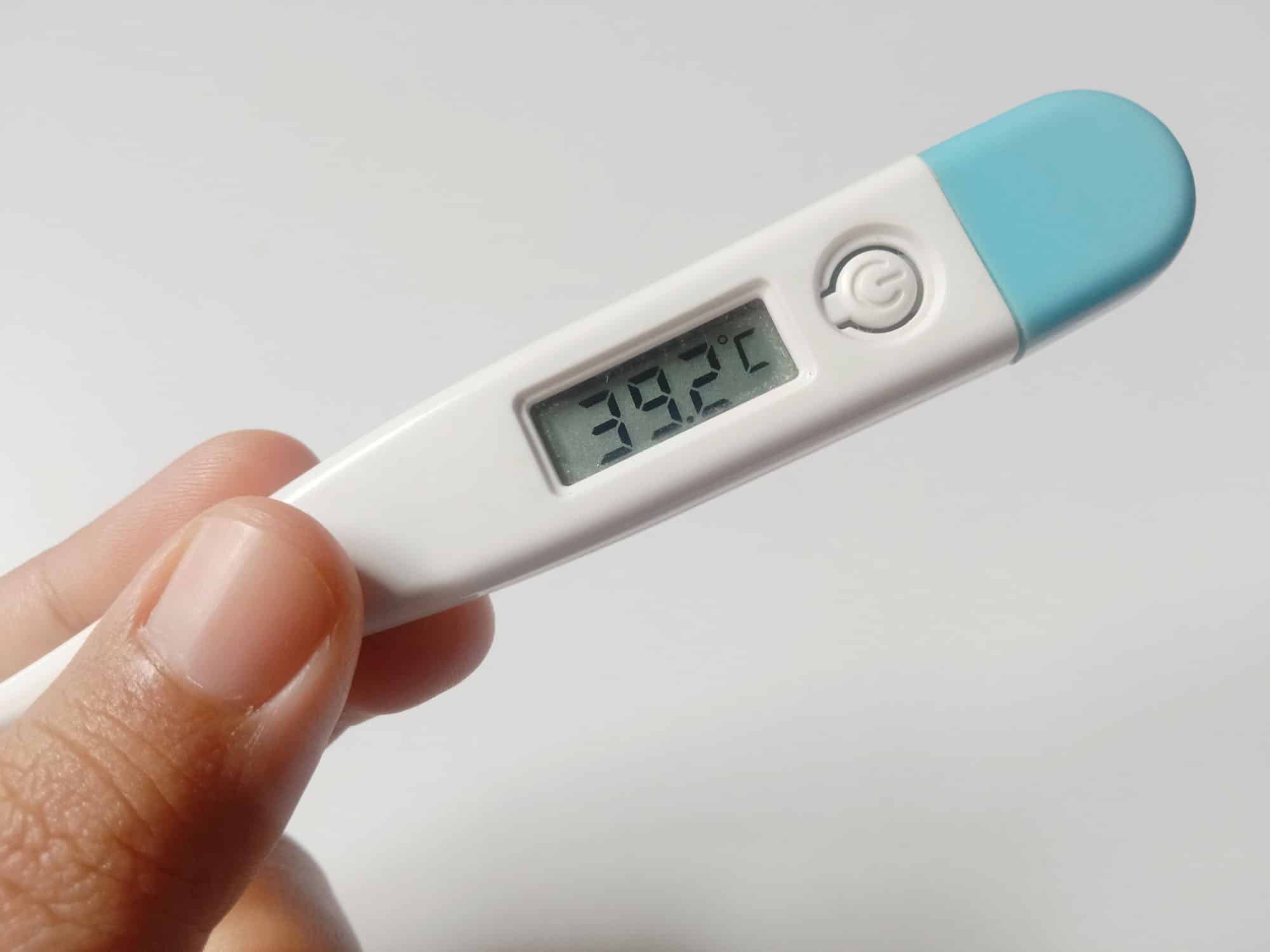
Fever (>39 centigrade)70%
Sputum production45%
Confusion45%
Myalgia, muscle pain38%
Diarrhoea33%
Headache32%
Elder Man with Bright Green Eyes Holding Water Glass

Can you die from Legionnaires?

Legionnaires is a highly fatal disease. Around 1 in 10 people who contract Legionnaires will die from complications related to the illness.

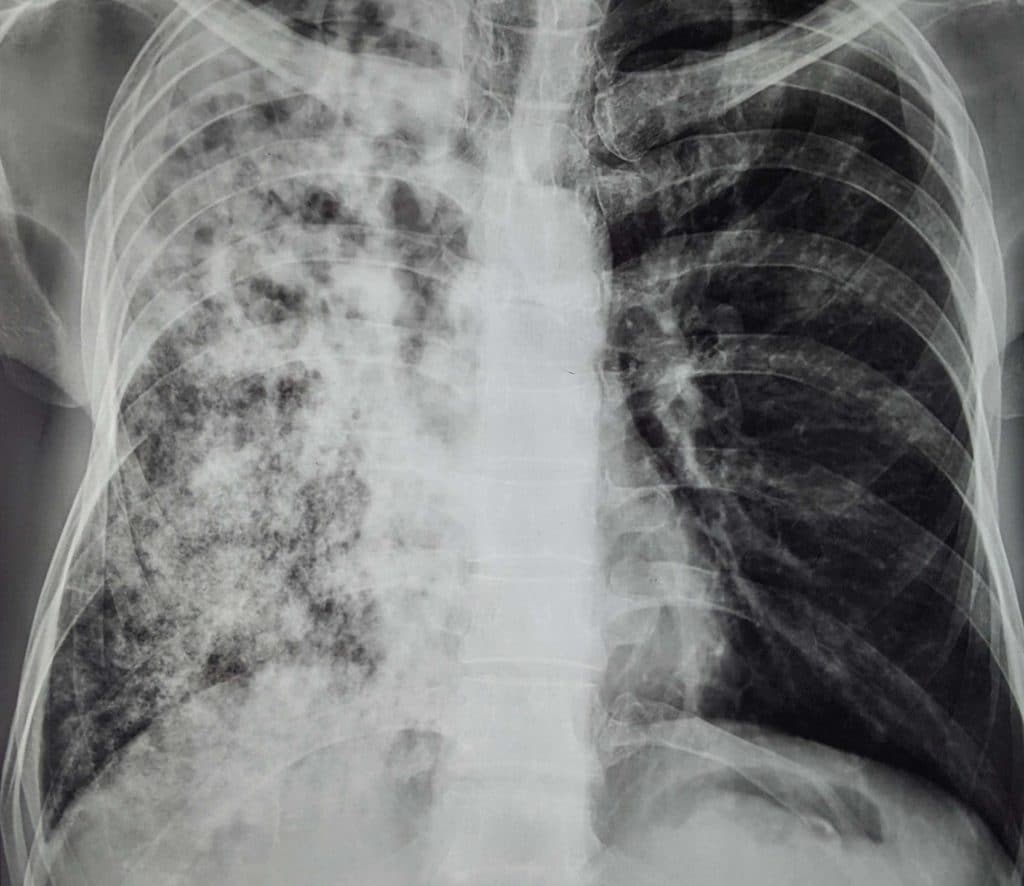
Death occurs through progressive pneumonia with respiratory failure and/or shock and multi-organ failure, particularly kidney failure.

of people who contract Legionnaires will die from complications related to the illness
0 %
mortality reported in 
high-risk hospital cases
0 %

Who is vulnerable to Legionnaires?

A certain part of the general population are vulnerable to Legionella. Vulnerability is increased if there are factors that reduce the response immune systems such as, for example, a cold.

Recovery always requires extensive antibiotic treatment, and is usually complete after several weeks or months. In rare occasions, severe progressive pneumonia or ineffective treatment for pneumonia can result in brain sequelae.

The death rate as a result of Legionnaires disease depends on: the severity of the disease, the appropriateness of initial anti-microbial treatment, the setting where legionella was acquired, and host factors (for example, the disease is usually more serious in patients with immuno-suppression).

This is why, when it comes to Legionnaires disease, the most effective way of dealing with the affliction is prevention.

Related Articles